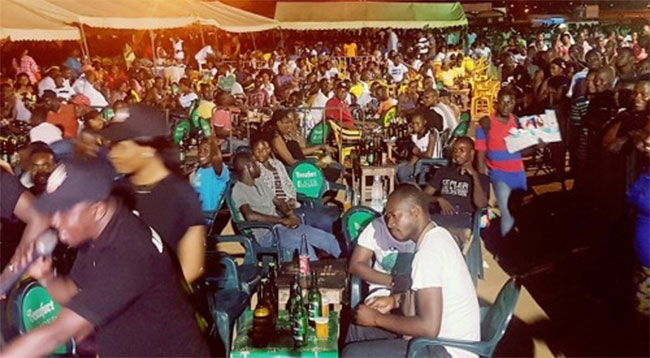
The festival
The Doh festival
The big festival of the region — music, dance and the whole Béré outside together. It is the moment Mankono shows itself to the world, and the reason this page carries its picture at the very top.
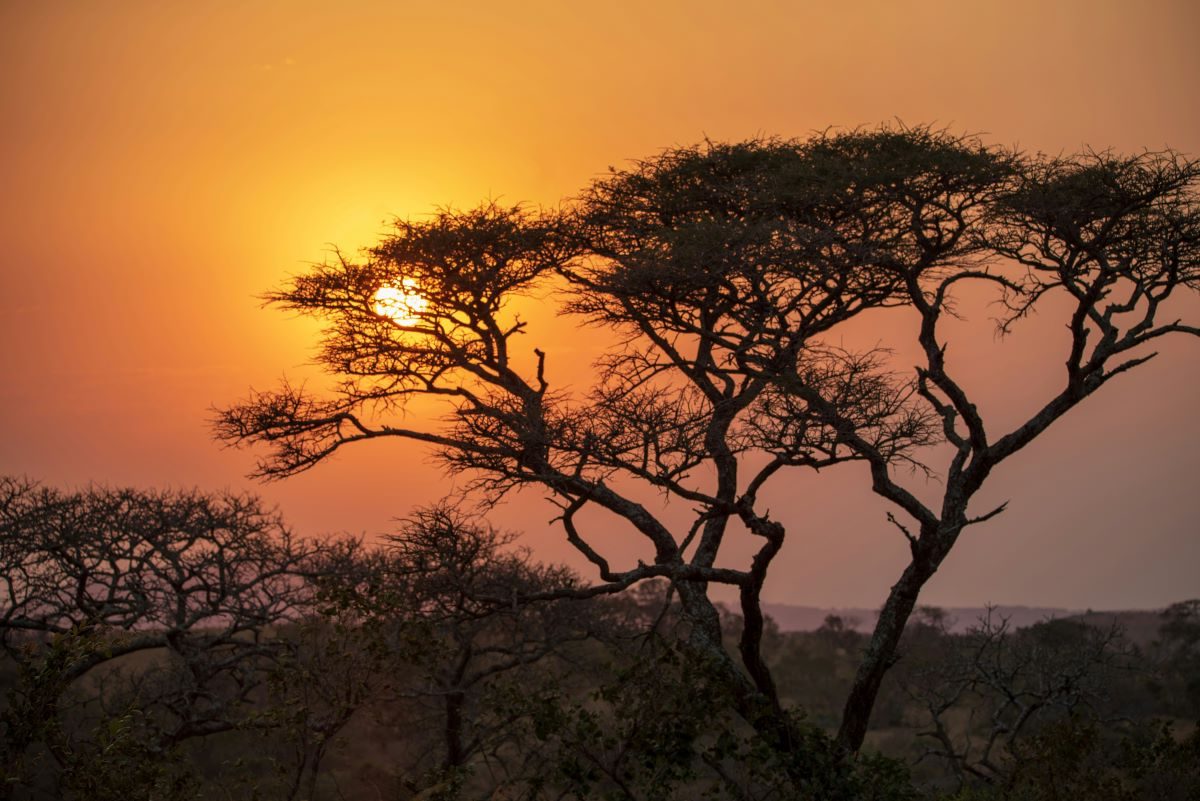
One city, countless reasons to visit
The quiet capital of the Béré — Koyaka country, red-earth roads, and evenings that end under the acacias.
One city, one page. Everything a traveller needs to feel Mankono in a single scroll — what to see, what to taste, where to eat, and where the night goes.
Mankono is not a city of monuments you rush through. It is a living crossroads town of the Ivorian north — a great market, Sudanese-style heritage all around the Béré, family cooking built on foutou and attiéké, and maquis that come alive after dark. This page is designed to show that rhythm, calmly, without overwhelming the visitor.
Tap a moment of the day — this is how the page suggests an itinerary, simply.
Start at the Grand Marché while the air is still cool — pagnes, cashews, kola nuts and the first grill smoke of the day. Coffee and beignets from a stall, then a slow walk through the old quarters.
A few landmarks only — the ones that tell the story of the place. Quality over quantity, so the page never feels crowded.
The big festival of the region — music, dance and the whole Béré outside together. It is the moment Mankono shows itself to the world, and the reason this page carries its picture at the very top.
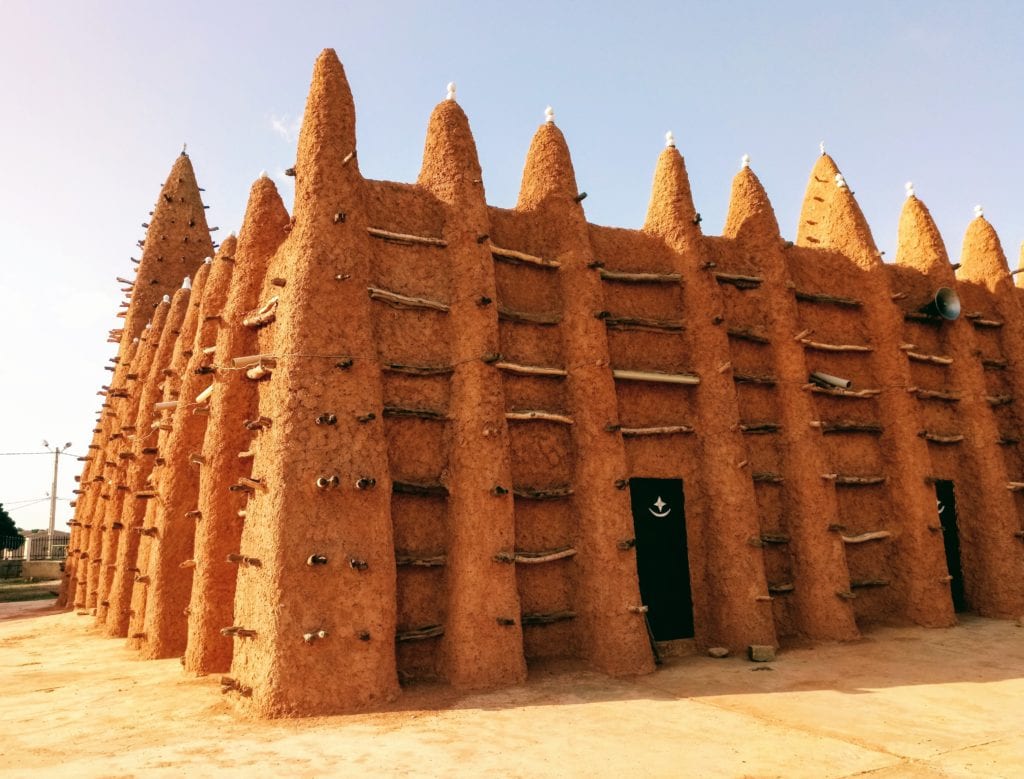
Across the north of Côte d'Ivoire, mosques rise in red banco earth — tapering buttresses, ostrich-egg finials, wooden toron beams. They are the signature architecture of the region Mankono belongs to, and the first thing a visitor should understand about its Malinké roots.
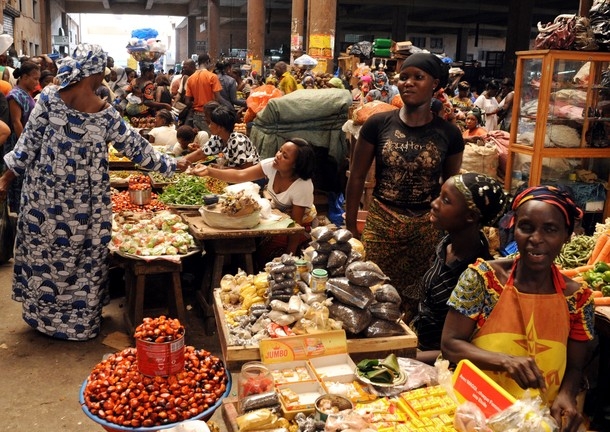
The beating heart of town. Traders from across the Béré bring produce, cloth and craft — come to watch, taste and bargain, not just to buy.
Just outside town the land opens up — acacias, red earth and a huge sky. This is the sunset moment the whole Profonde series is named for.
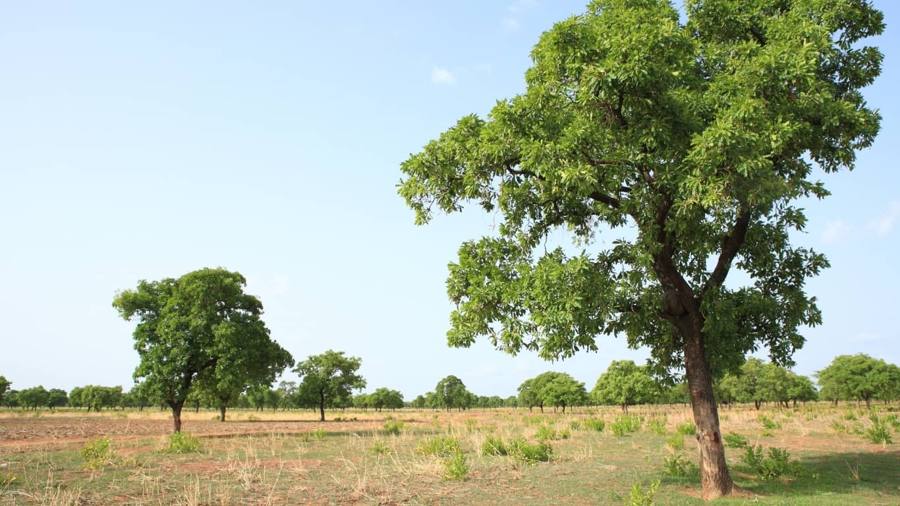
Open parkland dotted with shea trees — the butter tree that seasons the cooking and oils the skin of the whole region.
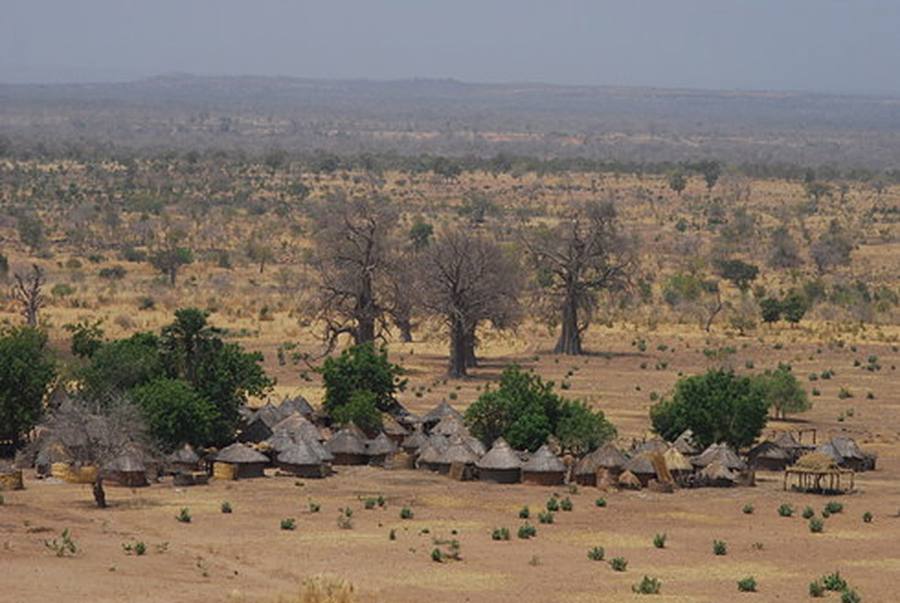
Thatched roofs in the red earth, baobabs standing watch — the villages around Mankono are the Béré's living landscape.
Food gets its own section, separate from restaurants — because in Côte d'Ivoire, the dish matters as much as the address.
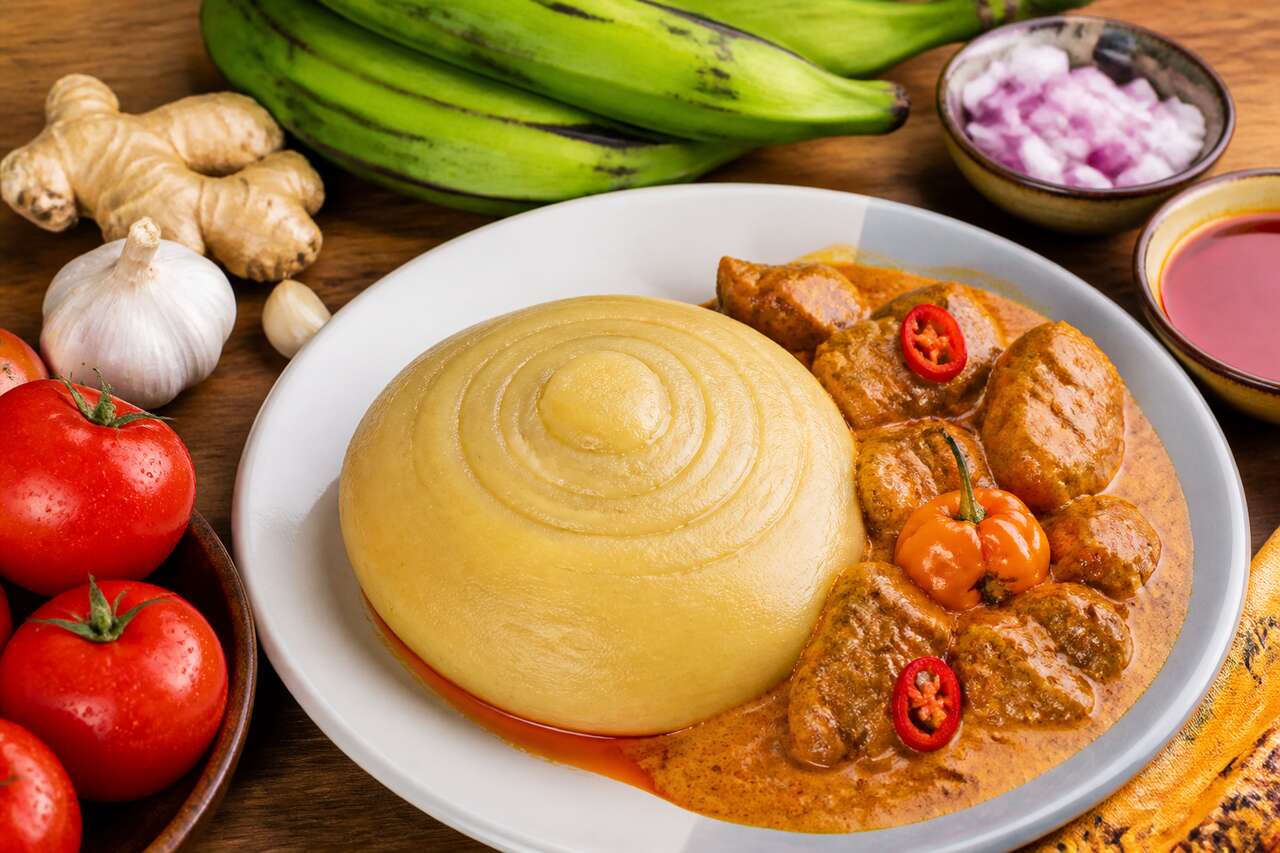
Pounded plantain, smooth and warm, with a deep peanut sauce. The dish of family Sundays and honoured guests in the north.
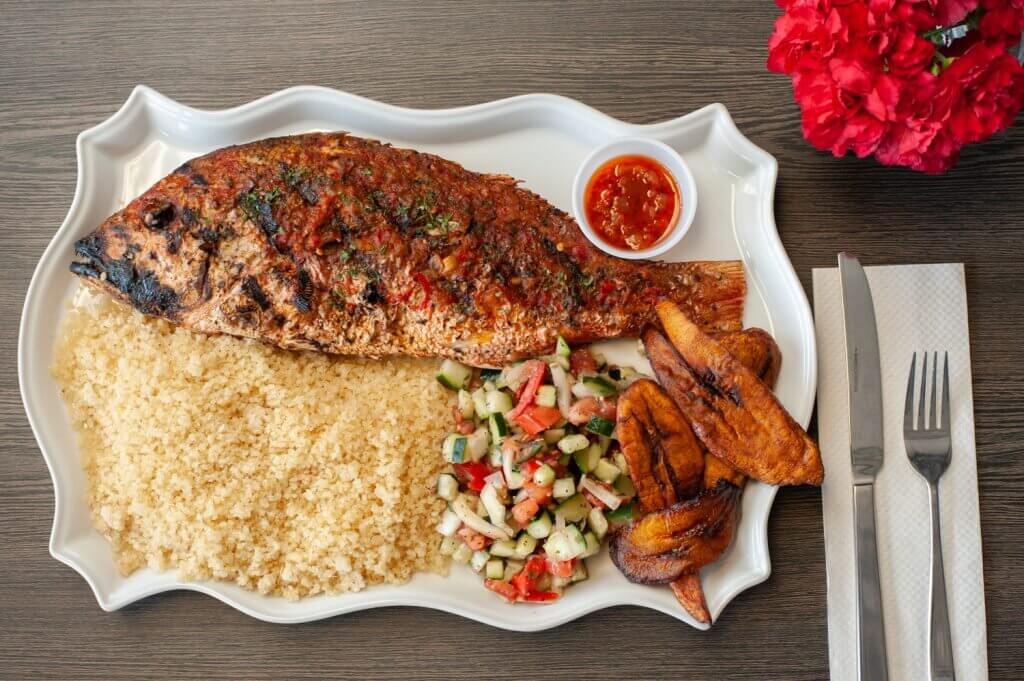
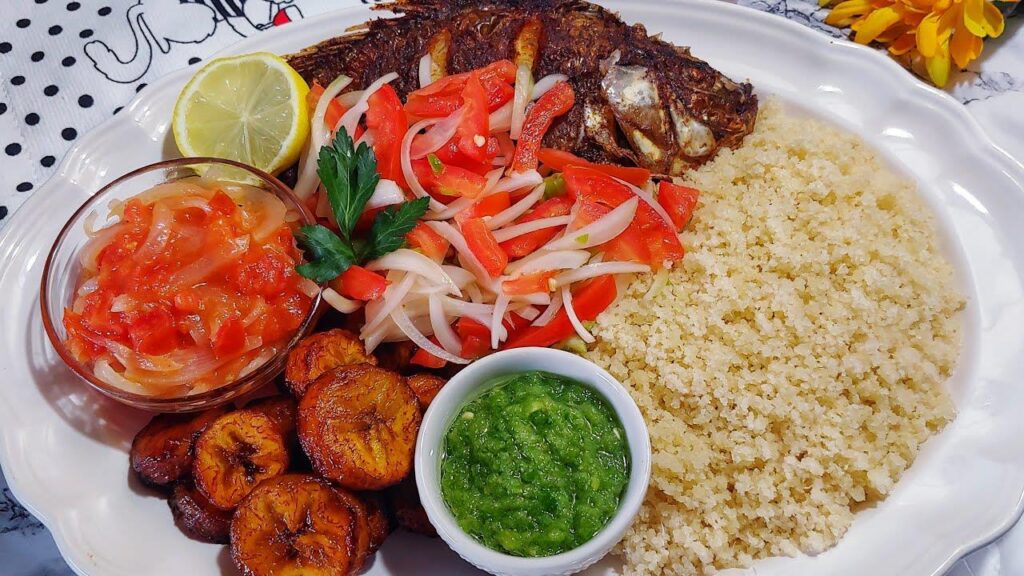
Fluffy fermented cassava couscous with charcoal-grilled fish, onion-tomato salad, alloco and a fierce little pepper sauce.
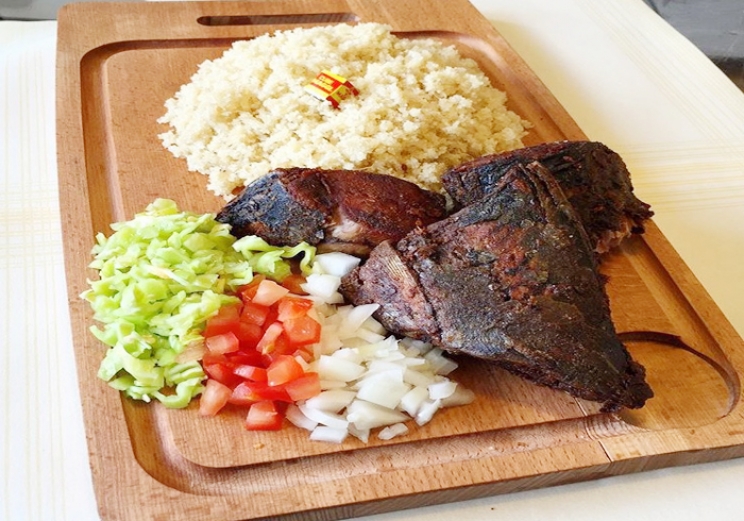
Attiéké with crispy fried tuna, raw onion, tomato and chilli, finished with the famous little seasoning cube. Fast, generous, unforgettable.
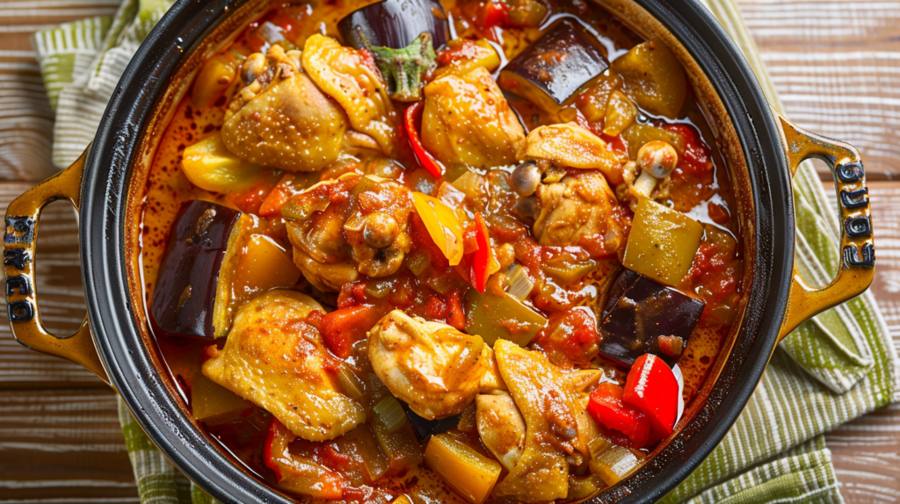
Chicken sealed in a clay pot with peppers, tomato and onion — no water added, it cooks in its own juices. Shaken, never stirred.
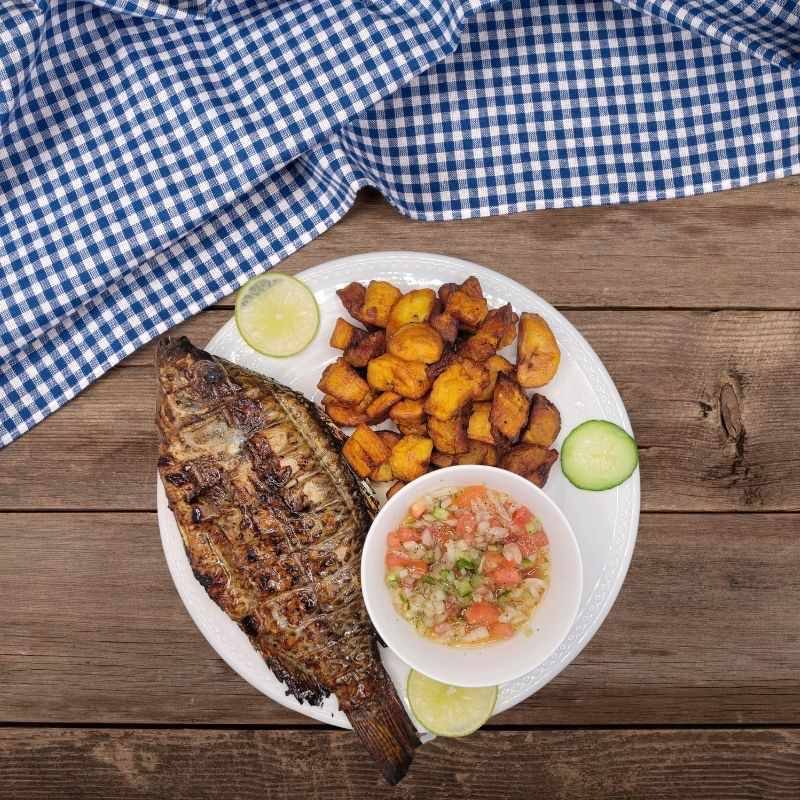
A whole fish over charcoal, skin crisp, served with alloco, attiéké and a sharp onion-tomato salad. The evening dish of every maquis.
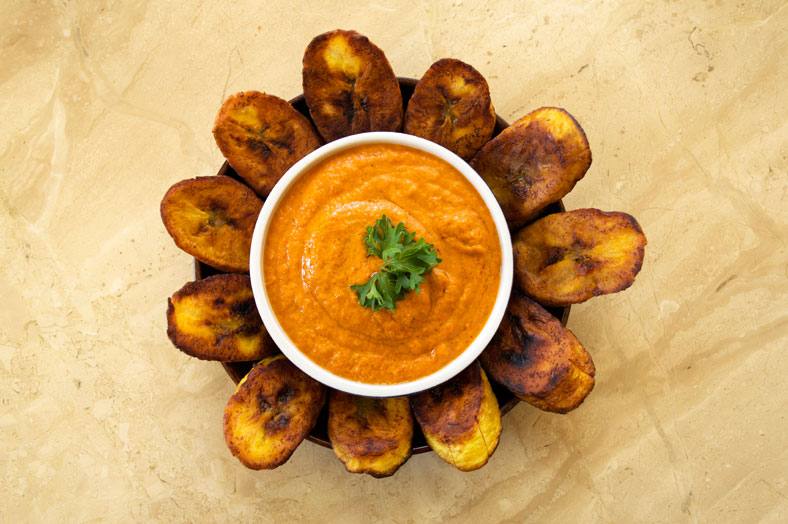
Ripe plantain fried until the edges caramelise. Eaten with grilled fish, eggs, or just a pepper-onion sauce and your fingers.
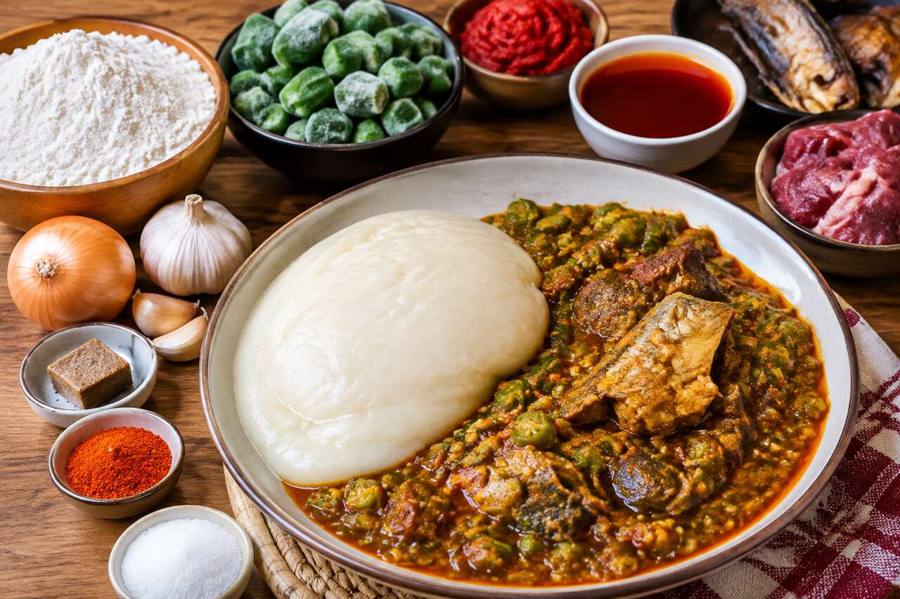
A smooth, elastic fermented-cassava paste, served under a glossy okra sauce — eaten by hand, one soft pinch at a time.
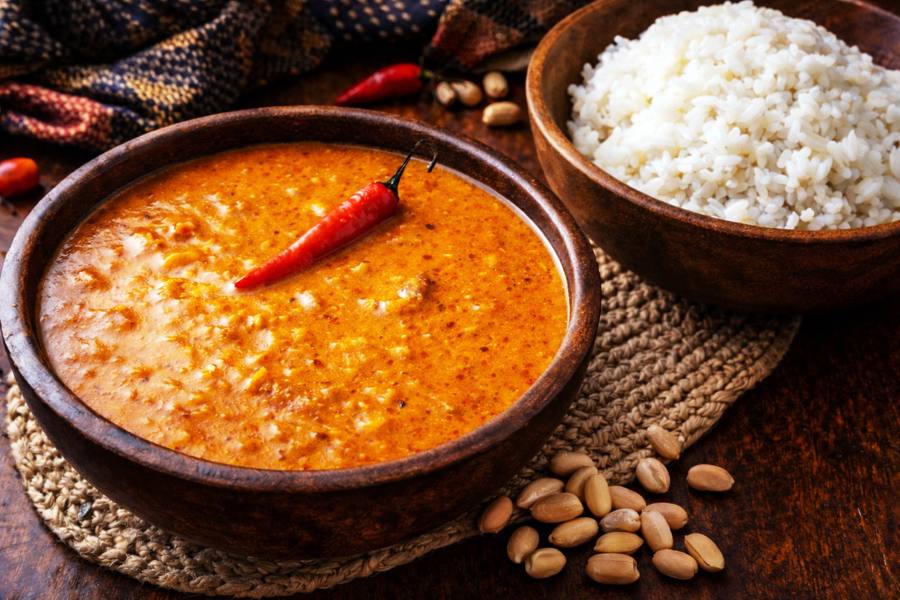
Groundnut sauce, deep and silky, with beef or chicken simmered right in it. The sauce the foutou above is born to meet.
Where to eat is presented as the real addresses of a town like Mankono — the maquis, the grill corner, the family kitchen. In the live version, each city's own verified addresses fill these rows.
Open-air tables, grilled fish and chicken, attiéké served family-style. The address everyone in town will point you to first.
A row of stalls by the market doing one thing perfectly — garba, served fast at wooden counters from morning to late evening.
Home kitchens that cook foutou banane to order — the surest way to taste the Béré as its own families eat it. Ask your host or driver to arrange it.
Brochettes, grilled corn and fresh fruit between the stalls. Graze as you walk — small money, big flavour.
Nightlife in a northern town is not clubs — it is the maquis, the music, and the whole town outside together.
Plastic chairs, big speakers, grilled fish still coming off the charcoal. Order, settle in, stay as long as the conversation lasts.
DJs mix coupé-décalé with Malinké traditional sounds — balafon lines under modern beats. Dancing is not optional for long.
Weddings, Tabaski and end-of-harvest celebrations spill into the streets. If one is on while you visit, you have found the real Mankono.
This page follows the sunset city. When the city changes each week, the same page takes the new city's name and its own content — so a traveller always lands on a page that feels familiar, and every city gets the same high-end treatment.
City name in large type over its sunset photo, with region, people and best moment at a glance.
Landmarks · Food · Restaurants · Nightlife. Always in that order, so visitors learn the page once.
Three to four entries per section, each with a real photo. Never a long directory — a curated glimpse.
Photos and text are uploaded per city. Change the city setting, and the whole page follows.